About Us


About Us


About Us

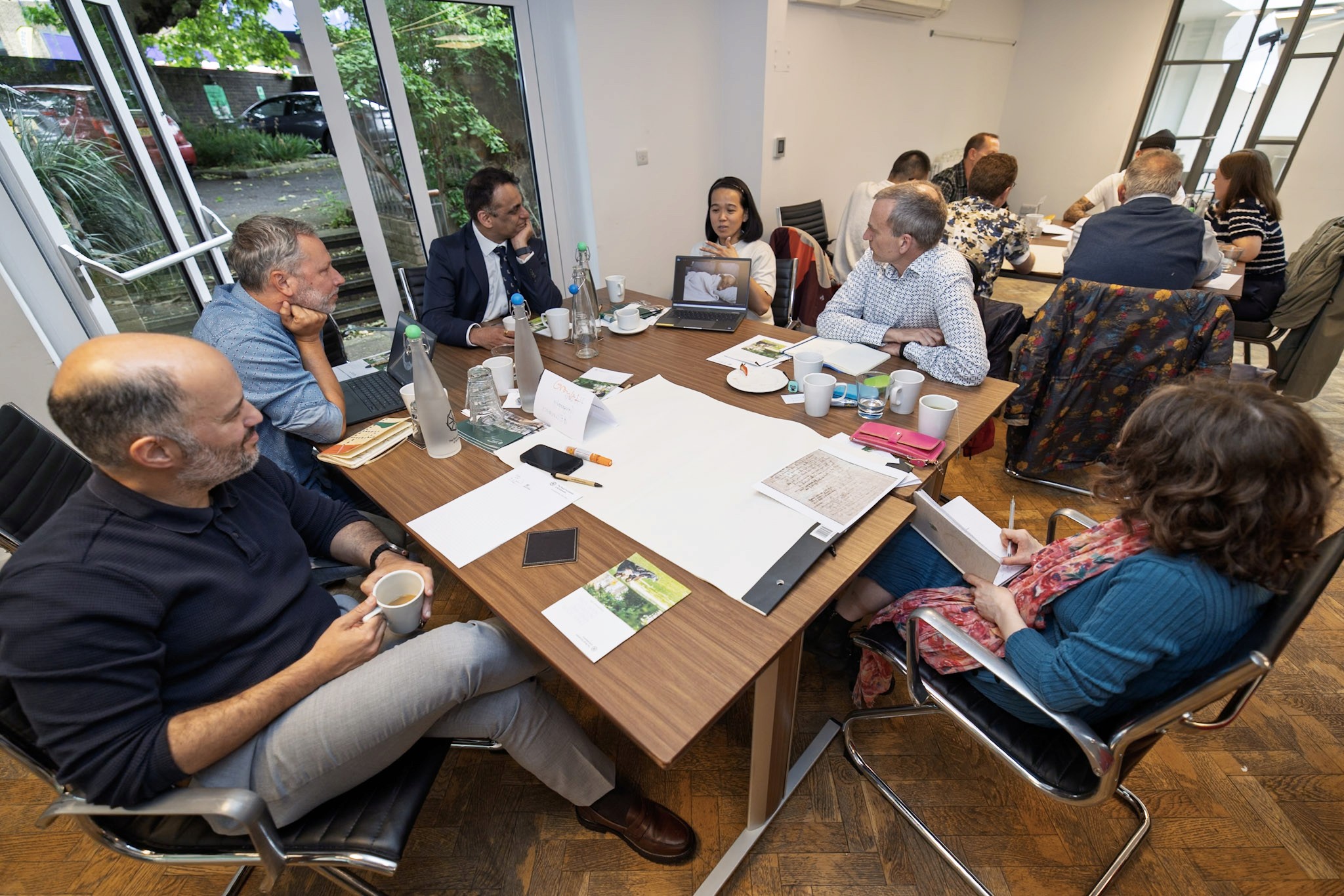
SHAPE Health is rooted in the principal that people thrive when supported early and understood deeply, SHAPE Health places lived experience at the centre of evidence and action. We believe that Health is about possibility; the chance to live a life that feels rich, connected and meaningful.

Our Mission

We aim to nurture health in every interaction and environment, building communities where people feel secure, connected and free to thrive. Using a ground-up research approach, SHAPE Health enables communities to define challenges, generate lived-experience insight and lead local innovation—ensuring national policies are rooted in neighbourhood realities and produce meaningful, lasting health outcomes.

We aim to nurture health in every interaction and environment, building communities where people feel secure, connected and free to thrive. Using a ground-up research approach, SHAPE Health enables communities to define challenges, generate lived-experience insight and lead local innovation—ensuring national policies are rooted in neighbourhood realities and produce meaningful, lasting health outcomes.


Our Team


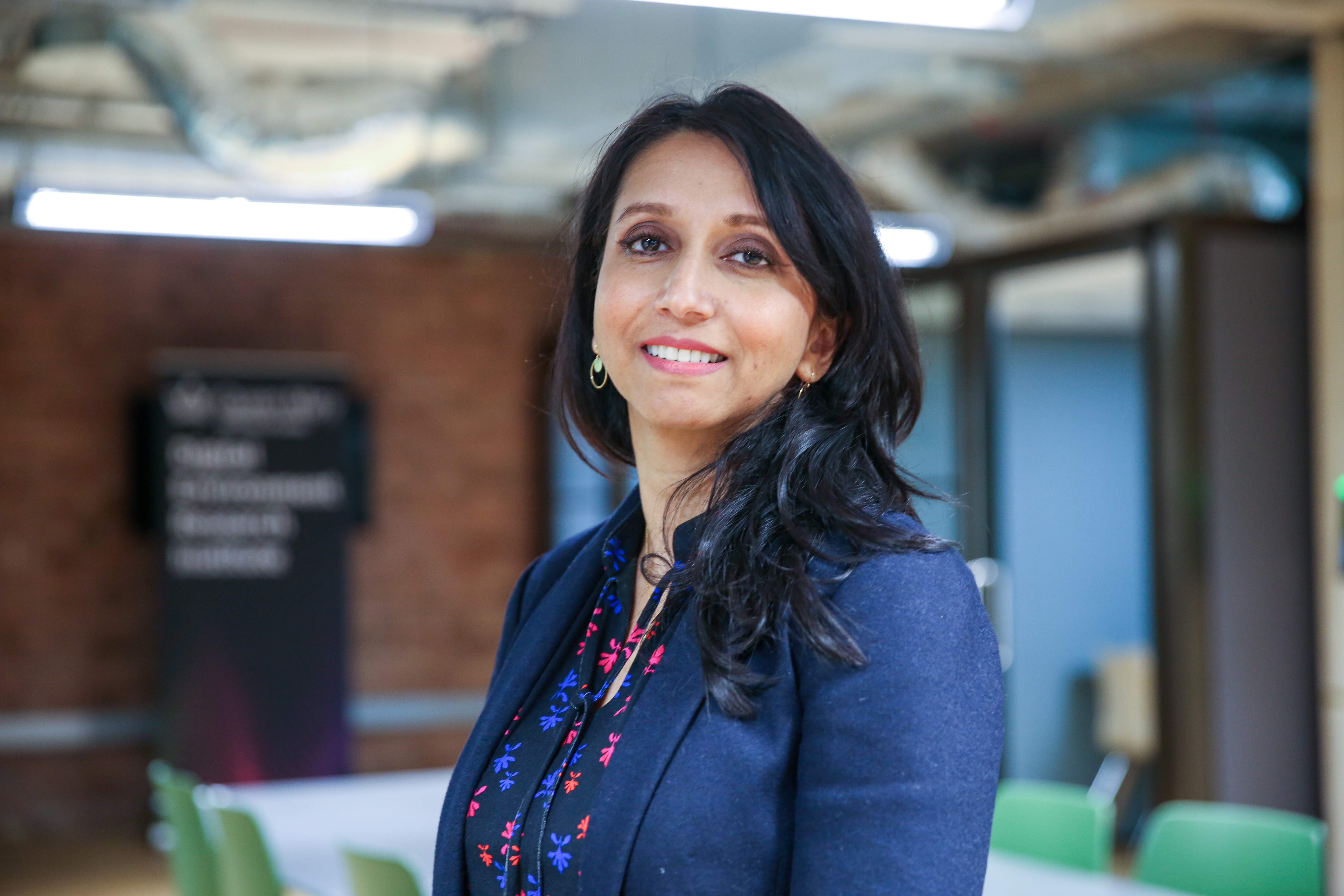
Professor Arunthathi Mahendran


Professor Arunthathi Mahendran


Professor Arunthathi Mahendran

Professor Arunthathi Mahendran is the Founding Director of the SHAPE Institute for Health at Queen Mary University of London, where she works alongside local residents, community partners and colleagues to reimagine health and healthcare as a local, neighbourhood venture. A former Director of the medical school at QMUL and a Consultant Transplant Surgeon (Honorary) at Barts Health NHS Trust, she brings together experience from higher education and clinical practice — but mostly, she brings curiosity, care and a belief that better, meaningful health begins in everyday life. 

Arunthathi’s career has been shaped by a simple conviction: when healthcare begins with the real lives, values and experiences of the people it serves — honouring what matters most to each person — it can become deeply authentic, profoundly effective and genuinely respectful of both our shared humanity and our individual differences. Driven by this belief, she has spent over a decade widening opportunities for those often overlooked in medical training, including students with disabilities, neurodivergent learners, young people from lower-income backgrounds and minority ethnic communities. She feels incredibly fortunate that this work has been recognised nationally — but even more grateful to the students and teachers who continue to challenge, inspire and shape her thinking. 

Her journey through medicine and ethics has taken her across cities and disciplines — from transplant surgery training in London and New York, to an ethics fellowship in Chicago, and later a PhD at Goldsmiths. These experiences shaped her book Moments of Rupture, where she explores how the often unspoken and non-visible sights, sounds and sensory experiences of healthcare can unsettle us, creating powerful ruptures in our understanding that open our eyes to what care truly means. By paying attention to these powerful, messy moments instead of pushing them aside, she shows how practitioners can become more thoughtful, impactful and human in their work — an idea that strongly echoes the community-rooted values at the heart of SHAPE Health. 

At SHAPE Health, Arunthathi now works with communities across East London to understand what health means to them — and what gets in the way. Together with residents, frontline workers and public services, she is helping to co-create practical, neighbourhood-based approaches to prevention and care that reflect people’s real lives and aspirations for their future.   

What motivates her most is the possibility of building communities where people feel connected, supported and able to live well in the places they call home. She sees this work not as her own, but as a collective effort — one rooted in trust, shared learning and the belief that small, local changes can help shape a more caring and sustainable future for everyone. 


Professor Arunthathi Mahendran is the Founding Director of the SHAPE Institute for Health at Queen Mary University of London, where she works alongside local residents, community partners and colleagues to reimagine health and healthcare as a local, neighbourhood venture. A former Director of the medical school at QMUL and a Consultant Transplant Surgeon (Honorary) at Barts Health NHS Trust, she brings together experience from higher education and clinical practice — but mostly, she brings curiosity, care and a belief that better, meaningful health begins in everyday life. 

Arunthathi’s career has been shaped by a simple conviction: when healthcare begins with the real lives, values and experiences of the people it serves — honouring what matters most to each person — it can become deeply authentic, profoundly effective and genuinely respectful of both our shared humanity and our individual differences. Driven by this belief, she has spent over a decade widening opportunities for those often overlooked in medical training, including students with disabilities, neurodivergent learners, young people from lower-income backgrounds and minority ethnic communities. She feels incredibly fortunate that this work has been recognised nationally — but even more grateful to the students and teachers who continue to challenge, inspire and shape her thinking. 

Her journey through medicine and ethics has taken her across cities and disciplines — from transplant surgery training in London and New York, to an ethics fellowship in Chicago, and later a PhD at Goldsmiths. These experiences shaped her book Moments of Rupture, where she explores how the often unspoken and non-visible sights, sounds and sensory experiences of healthcare can unsettle us, creating powerful ruptures in our understanding that open our eyes to what care truly means. By paying attention to these powerful, messy moments instead of pushing them aside, she shows how practitioners can become more thoughtful, impactful and human in their work — an idea that strongly echoes the community-rooted values at the heart of SHAPE Health. 

At SHAPE Health, Arunthathi now works with communities across East London to understand what health means to them — and what gets in the way. Together with residents, frontline workers and public services, she is helping to co-create practical, neighbourhood-based approaches to prevention and care that reflect people’s real lives and aspirations for their future.   

What motivates her most is the possibility of building communities where people feel connected, supported and able to live well in the places they call home. She sees this work not as her own, but as a collective effort — one rooted in trust, shared learning and the belief that small, local changes can help shape a more caring and sustainable future for everyone. 


Professor Francesca Cornaglia


Professor Francesca Cornaglia


Professor Francesca Cornaglia

Professor Francesca Cornaglia is an economist who has spent her career exploring how the worlds we grow up and live in shape our mental health and wellbeing. Trained across economics, political science and engineering, she has followed a long-standing curiosity about why people thrive in some environments and struggle in others. This curiosity has taken her from studying childhood emotional development and health inequalities to examining how communities, culture and social connection support resilience throughout life. 


Her research has shown how early-life experiences influence adult wellbeing, how parental beliefs shape children’s outcomes, and how stress, fear and social pressures affect health and behaviour. She has worked closely with clinicians, educators, policymakers and community organisations to understand these issues not only through data, but through people’s lived realities. This interdisciplinary approach has led to projects on paediatric mental health, decision-making in high-risk surgery, HIV stigma, and the challenges and opportunities of social prescribing in East London’s diverse communities. 


At Queen Mary University of London, Francesca is Professor of Economics and Deputy Director of SHAPE Health, where she helps lead work to reimagine health as something created in neighbourhoods and communities as much as in clinical settings. She is known for building bridges across disciplines and for mentoring young researchers who now work in leading universities and policy institutions. She also contributes to the wider field as Associate Editor, ESRC reviewer, and active member of international networks in mental health economics. 


What motivates her most is understanding how small changes in families, in communities, in public services or in creative environments can accumulate into lives that feel healthier, more connected and more possible.


Professor Francesca Cornaglia is an economist who has spent her career exploring how the worlds we grow up and live in shape our mental health and wellbeing. Trained across economics, political science and engineering, she has followed a long-standing curiosity about why people thrive in some environments and struggle in others. This curiosity has taken her from studying childhood emotional development and health inequalities to examining how communities, culture and social connection support resilience throughout life. 


Her research has shown how early-life experiences influence adult wellbeing, how parental beliefs shape children’s outcomes, and how stress, fear and social pressures affect health and behaviour. She has worked closely with clinicians, educators, policymakers and community organisations to understand these issues not only through data, but through people’s lived realities. This interdisciplinary approach has led to projects on paediatric mental health, decision-making in high-risk surgery, HIV stigma, and the challenges and opportunities of social prescribing in East London’s diverse communities. 


At Queen Mary University of London, Francesca is Professor of Economics and Deputy Director of SHAPE Health, where she helps lead work to reimagine health as something created in neighbourhoods and communities as much as in clinical settings. She is known for building bridges across disciplines and for mentoring young researchers who now work in leading universities and policy institutions. She also contributes to the wider field as Associate Editor, ESRC reviewer, and active member of international networks in mental health economics. 


What motivates her most is understanding how small changes in families, in communities, in public services or in creative environments can accumulate into lives that feel healthier, more connected and more possible.


Ms Laura Debrincat


Ms Laura Debrincat


Ms Laura Debrincat

Laura Debrincat is SHAPE Health’s Manager at Queen Mary University of London. With over 14 years of experience spanning health, social care, higher education and community-driven programmes, she has built her career around one clear purpose: helping people live healthier, fuller lives. This commitment sits at the heart of SHAPE Health’s mission to reimagine wellbeing through everyday life, lived experience and community voice.


Laura’s journey began in her teens, working as a Learning Support Assistant with children with special educational needs. Supporting families through daily challenges opened her eyes to the many different realities people navigate and sparked her lifelong belief that wellbeing is about far more than services, it’s about compassion, dignity and understanding the whole person. This belief guided her into the NHS, where she worked across cancer services, discharge planning and multidisciplinary care. Being closely involved in patient journeys, she became a strong advocate for timely, safe and person-centred care. These experiences deepened her determination to tackle health inequalities and strengthen the connections between people and the systems designed to support them.


Laura later moved to Queen Mary University of London to help establish its international medical school in Malta.  This milestone project saw her set up the student office from scratch, secure clinical placements, build processes and support international students as they found their feet. This hands-on work honed her ability to design sustainable structures and lead complex initiatives with clarity and care. Back in London, she continued to shape programmes across the Medical School (IHSE), managing postgraduate and apprenticeship pathways, improving student experience, and supporting new and evolving roles within the healthcare workforce. From early ideas through to delivery, Laura has brought together academics, public services, employers and community partners to create meaningful change.  Her expertise in this area has garnered her prestigious awards.

At SHAPE Health, Laura weaves together her operational expertise, her understanding of health systems and her long-standing dedication to community-centred wellbeing. She helps coordinate research, partnerships and co-creation projects that connect Queen Mary’s SHAPE disciplines with health sciences and the lived experiences of local people. Working alongside residents, local councils, public services and organisations across East London, she is committed to shaping environments, policies and opportunities that help communities not just cope, but thrive.


Dr Jon Fillippon


Dr Jon Fillippon


Dr Jon Fillippon

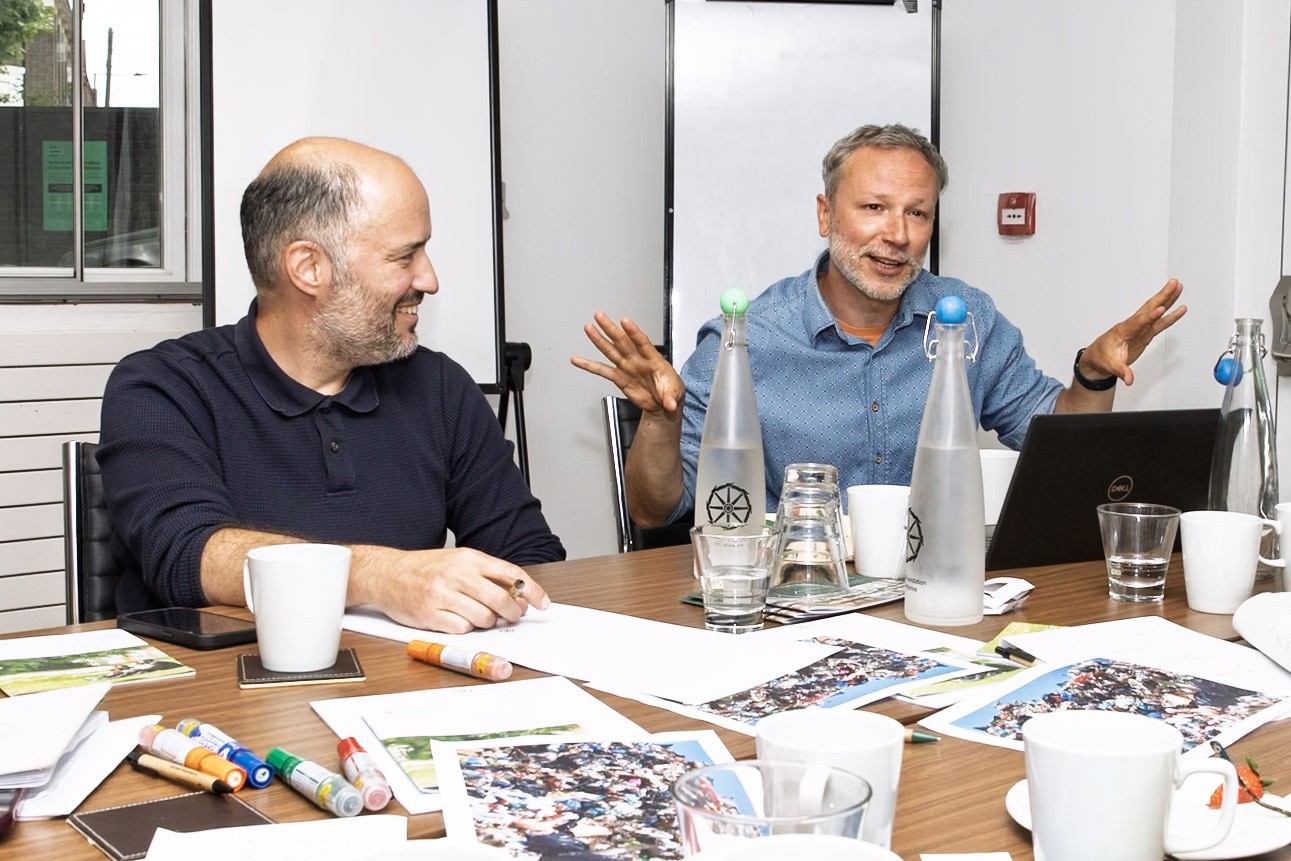
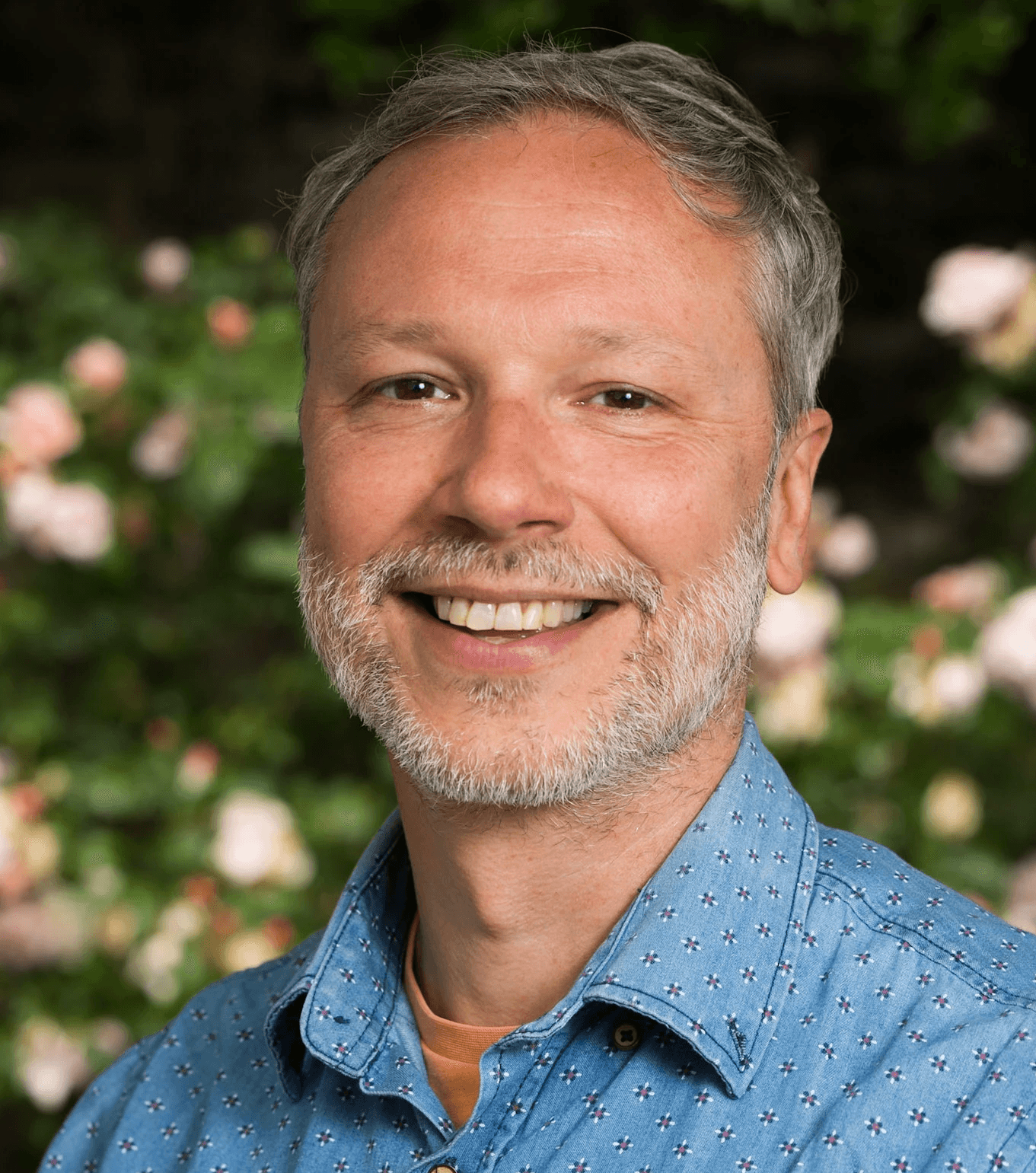
Jonathan Filippon is a Reader in health systems based at Queen Mary University of London, where his work bridges health systems research, public policy, and community engagement to improve equitable access to care. A Registered Nurse by training, he holds a PhD in Public Health and does research on the political economy of health and healthcare, community health literacy and public health policy. He has co‑authored articles in leading international journals on health policy and health services and frequently contributes to public forums over these themes. He particularly enjoys working with grassroot partners, policymakers, and students to co‑produce solutions for stronger and fairer health systems for all, everywhere.


Projects and Partnerships


Projects and Partnerships

London Borough of Barking and Dagenham

  1. Long term chronic conditions and the return to work

  1. Right time, right place for health and education need in schools

  1. Women's health and safety

  1. Social prescribing

  1. Healthy eating

Rainham

  1. Living with waste

FAQs

FAQs

What does SHAPE mean?

The name SHAPE comes from the Social Sciences, Humanities, and the Arts for People and the Economy — a term created by the British Academy. These subjects, combined with health sciences, help us look at health in a broader way, not just about treating illness, but about building the conditions that allow people to thrive.

How do we plan to do this?

SHAPE Health brings together Queen Mary's world-class researchers and educators with the expert knowledge, creativity and lived experience of our societal partners: East London communities and organisations. These include local residents, borough councils, public services (like the NHS, local government and the Fire Service) and community-based organisations. With this neighbourhood approach to health, we co-create real-world solutions to the issues that matter most to our communities. By putting people's voices and experiences at the heart of everything we do, including those voices that have been overlooked or marginalised in traditional healthcare conversations, SHAPE Health is building a future where everyone has the chance to be well and feel valued.

What does SHAPE mean?

The name SHAPE comes from the Social Sciences, Humanities, and the Arts for People and the Economy — a term created by the British Academy. These subjects, combined with health sciences, help us look at health in a broader way, not just about treating illness, but about building the conditions that allow people to thrive.

How do we plan to do this?

SHAPE Health brings together Queen Mary's world-class researchers and educators with the expert knowledge, creativity and lived experience of our societal partners: East London communities and organisations. These include local residents, borough councils, public services (like the NHS, local government and the Fire Service) and community-based organisations. With this neighbourhood approach to health, we co-create real-world solutions to the issues that matter most to our communities. By putting people's voices and experiences at the heart of everything we do, including those voices that have been overlooked or marginalised in traditional healthcare conversations, SHAPE Health is building a future where everyone has the chance to be well and feel valued.

What does SHAPE mean?

The name SHAPE comes from the Social Sciences, Humanities, and the Arts for People and the Economy — a term created by the British Academy. These subjects, combined with health sciences, help us look at health in a broader way, not just about treating illness, but about building the conditions that allow people to thrive.

How do we plan to do this?

SHAPE Health brings together Queen Mary's world-class researchers and educators with the expert knowledge, creativity and lived experience of our societal partners: East London communities and organisations. These include local residents, borough councils, public services (like the NHS, local government and the Fire Service) and community-based organisations. With this neighbourhood approach to health, we co-create real-world solutions to the issues that matter most to our communities. By putting people's voices and experiences at the heart of everything we do, including those voices that have been overlooked or marginalised in traditional healthcare conversations, SHAPE Health is building a future where everyone has the chance to be well and feel valued.

Queen Mary, University of London,

Mile End Road, London, E1 4NS

hss-shape-health@qmul.ac.uk


Rooted in people. Powered by community.

Queen Mary, University of London,

Mile End Road, London, E1 4NS

hss-shape-health@qmul.ac.uk


Rooted in people. Powered by community.

Queen Mary, University of London,

Mile End Road, London, E1 4NS

hss-shape-health@qmul.ac.uk


Rooted in people. Powered by community.